Simple Cat Routines at Home
Living with cats often introduces a quieter and more thoughtful rhythm into everyday life. Many people interested in Pet care discover that cats respond best to stable environments, calm interaction, and gentle daily routines. In homes across Japan, where peaceful interiors and mindful living are highly appreciated, cats are often seen as companions that naturally fit into slow and balanced lifestyles. Learning how to care for a cat is not only about feeding or cleaning routines, but also about understanding comfort, atmosphere, and emotional consistency inside the home.
Cats usually prefer environments where they can observe their surroundings without feeling overwhelmed. A quiet corner near a window, a soft blanket beside a shelf, or a calm resting place away from loud activity can become important parts of everyday Pet care. Many home ideas inspired by Japanese interiors focus on open space, natural light, and minimal clutter, which often creates an ideal environment for indoor cats. At the same time, families with a dog in the house may notice that cats appreciate having personal spaces where they can relax quietly while still feeling connected to the rest of the home.
Morning routines often shape the mood of the entire day for indoor animals. Cats usually enjoy predictable patterns and may wake at similar times each morning to eat, explore, or quietly observe household activity. People learning how to care for a cat often discover that calm mornings reduce stress and encourage healthy habits. Preparing pet food in a quiet atmosphere, opening curtains for natural light, and allowing animals to move freely around the home can help create a peaceful beginning to the day. Even a dog in the house may respond positively to these calm and consistent morning routines.
Feeding habits are one of the most important parts of balanced Pet care. Cats often feel more comfortable when meals are served in the same location every day without excessive noise or interruptions. Some home ideas for organized living include using small storage cabinets or simple shelves for pet food supplies to keep feeding areas clean and visually calm. People interested in how to care for a cat frequently separate feeding spaces from resting or litter areas because cats naturally prefer cleaner boundaries between activities. In homes with a dog in the house, creating individual feeding areas can also help maintain comfort and reduce unnecessary tension during mealtime.
Cats are naturally curious animals, and indoor routines should include opportunities for gentle exploration. Window views, climbing spaces, and soft elevated surfaces allow cats to observe their environment while feeling safe. Many Pet care enthusiasts create simple home ideas such as placing cushions near bookshelves or leaving quiet shelves partially open for resting spots. These small adjustments can enrich daily life without making the home feel crowded. A dog in the house may also benefit from organized movement areas that encourage calm interaction rather than overstimulation.
Rest is another important part of feline wellbeing. Cats often sleep for long periods during the day and may change sleeping locations depending on temperature, light, or household activity. People learning how to care for a cat usually notice that cats prefer spaces where they feel secure and undisturbed. During colder seasons, warm blankets and soft fabrics may become favorite resting places, while warmer months often encourage cats to rest near shaded windows or cool wooden floors. Pet care routines connected to seasonal comfort can improve relaxation for all animals living indoors, including a dog in the house that may also seek different resting areas throughout the year.
Sound and atmosphere influence cats more than many people realize. Sudden loud noises or constant activity may cause stress, especially in smaller homes. Many home ideas inspired by minimalist interiors focus on creating calm emotional environments through organized layouts, soft lighting, and natural textures. These design choices often support better Pet care by reducing overstimulation and encouraging peaceful behavior. People interested in how to care for a cat frequently appreciate quiet evening routines, where both animals and owners can relax together in calm shared spaces.
Cleanliness and routine maintenance also shape the comfort of indoor cats. Washing blankets, refreshing water bowls, and keeping resting areas tidy can help create a stable environment. Pet care does not always require complex systems; often, consistency and attention to detail matter most. Some homes use woven baskets or hidden storage to organize pet food, toys, and grooming supplies while maintaining a peaceful atmosphere. A dog in the house may also respond positively to clean and organized spaces, where daily routines feel predictable and stress-free.
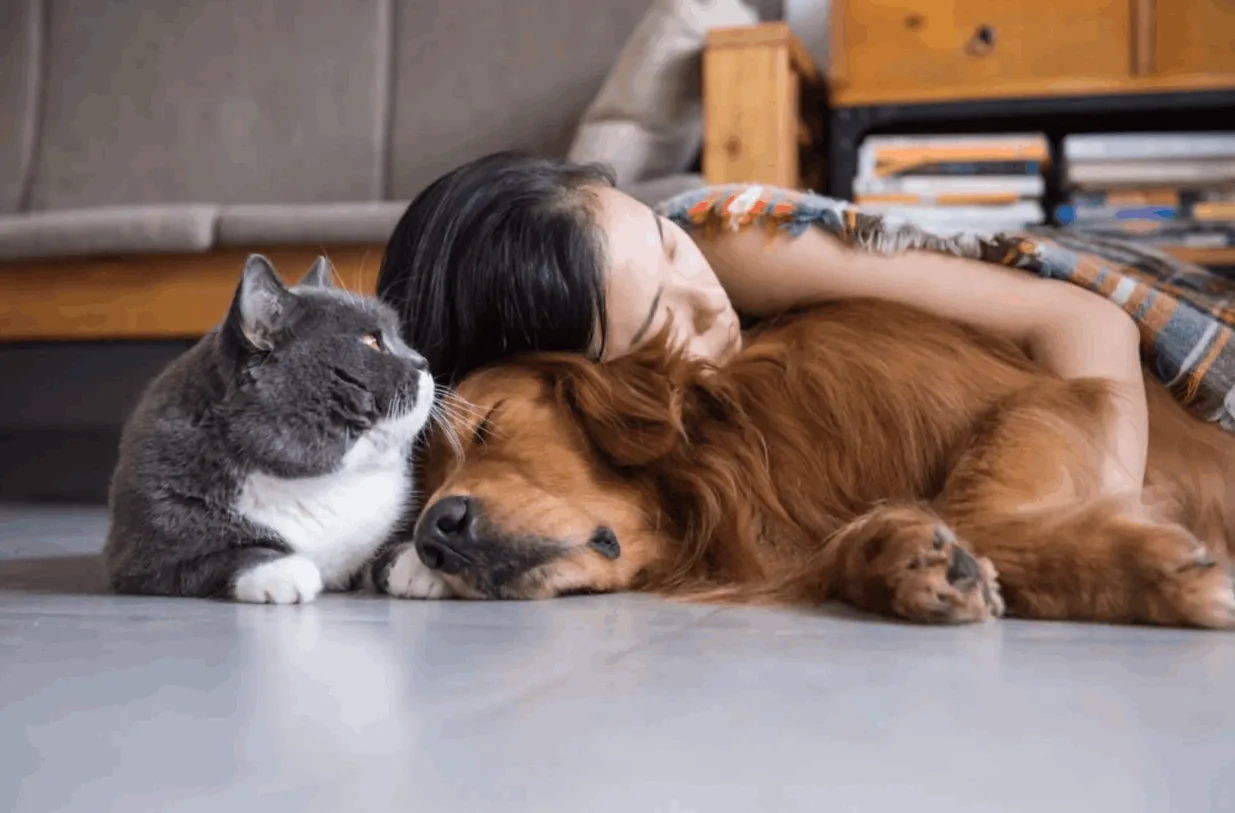
Emotional connection grows naturally through repeated quiet moments. Sitting beside a resting cat, reading in the same room, or sharing calm evenings together can strengthen trust over time. People learning how to care for a cat often realize that cats communicate comfort through small gestures such as staying nearby, sleeping peacefully, or quietly observing family activity. In homes with a dog in the house, balanced routines and respectful personal spaces can help animals coexist comfortably while building confidence around each other.
Indoor plants, soft lighting, and natural materials are often part of home ideas that support calm living with animals. Many people enjoy combining Pet care with peaceful interior design inspired by nature. Safe greenery, open shelves, and simple furniture arrangements can create an atmosphere that feels fresh and relaxing for both cats and humans. Those exploring how to care for a cat usually pay attention to safety when choosing plants or decorative items, while a dog in the house may enjoy open pathways and soft resting corners integrated naturally into the room.
Simple routines often become the foundation of long-term comfort in homes with animals. Balanced pet food habits, consistent feeding times, and quiet resting spaces help cats feel secure indoors. Pet care becomes less stressful when people focus on creating stable environments rather than perfect routines. A calm atmosphere allows animals to relax naturally and encourages stronger emotional connections between pets and owners. Whether someone is beginning to learn how to care for a cat or already shares life with a dog in the house, peaceful daily habits can transform ordinary homes into comforting and welcoming spaces.
In many ways, cats encourage people to appreciate stillness, patience, and quiet observation. A soft resting corner, a familiar feeding routine, and thoughtful home ideas can make everyday life feel calmer for everyone in the household. Through mindful Pet care and simple daily habits, homes become more than just living spaces. They become environments where animals and people share comfort, trust, and gentle moments that shape everyday happiness over time.